Agency clients rarely complain that photos arrived too quickly. They complain when the kitchen in listing A looks warmer than listing B, when externals from the same shoot have mismatched skies, or when a new batch looks nothing like last month's style. Consistency is not a aesthetic preference — it is an operational requirement.
Why Agencies Care About Visual Consistency
A property agency managing dozens of active listings needs buyers to recognise the brand behind the photography. Consistent brightness, colour temperature, and framing signal professionalism. Inconsistent output signals that each listing was handled ad hoc — which raises questions about everything else the agency does.
For photographers serving agencies, consistency is also a retention tool. An agent who trusts that every batch will match their standard does not shop around for the cheapest quote on the next job.
Where Inconsistency Creeps In
Most inconsistency is not intentional. It comes from:
- Editing fatigue — Late-night sessions produce different decisions than morning sessions
- No documented style guide — Each edit is improvised from memory
- Multiple editors or handoffs — Shoot photographer edits some jobs; a freelancer edits others
- Rushed turnaround — Batch presets applied without per-image review
- Changing software or presets — A Lightroom update or new profile shifts the look silently
Any one of these can break an agency relationship. Together, they are why many photographers plateau at a certain volume.
Building a Repeatable Standard
Consistency at scale requires documentation, not talent alone. A workable standard includes:
- Reference set — Five to ten approved images across property types (kitchen, living, bedroom, external)
- Written rules — Sky policy, shadow depth, white balance target, vertical correction level
- Named contact at the edit studio — Not a ticket queue; someone who knows your account
- Revision log — Track what gets flagged so the same issues do not repeat
- Quarterly review — Compare latest output against reference set; adjust if drift appears
Listd builds photographer style guides from the first test batch. The guide travels with every job — same editor team, same rules, same output window. Speed does not require sacrificing the standard; it requires a studio that treats the guide as binding.
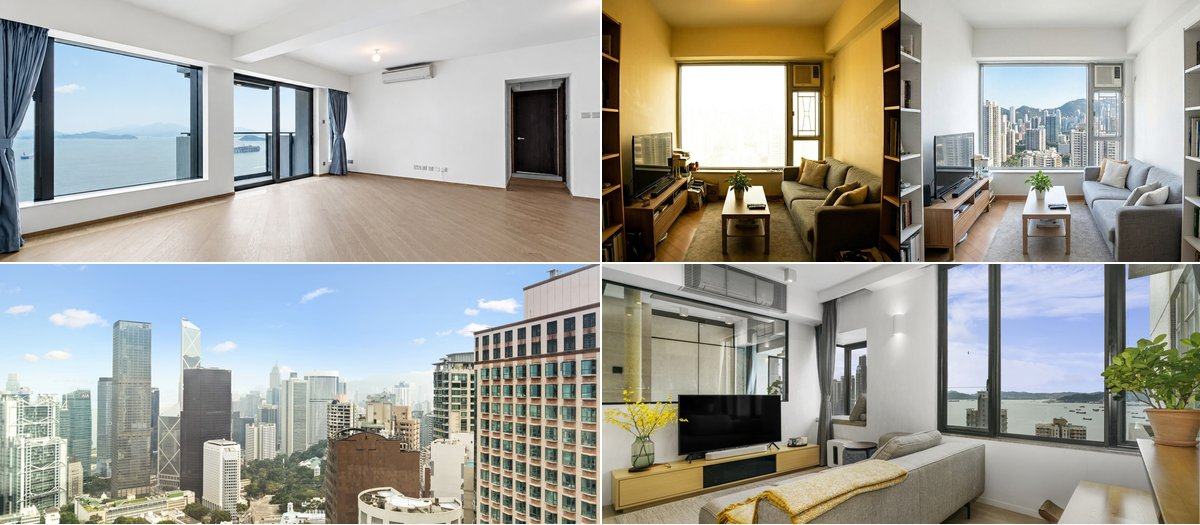
Consistency and Overnight Turnaround Together
Some photographers assume fast turnaround means generic batch processing. That is a failure of process, not geography. Overnight editing from Hong Kong works because a dedicated editor team applies your documented standard during their production window — not because images are run through an automated pipeline.
The test is simple: send two batches two weeks apart. If they match, the system works. If they do not, the style guide or the studio is wrong — fix it before scaling volume.
Related: From Shoot to Inbox: A Better Property Imaging Workflow · Property Photo Retouching: What Buyers Actually Respond To
Consistent output, every batch.
Listd documents your editing standard from the first job and applies it across every overnight delivery.
Agencies remember photographers who make their listings look coherent. That memory lasts longer than a discounted rate on a single shoot.